The light is not the lighthouse.It is what survives the lighthouse.
Liya Bellmaris
LUX Light Archive preserves lighthouse heritage as a living chain of evidence, memory, function, and orientation. A lighthouse may survive as a tower, a light, a lens, a document, a route, a photograph, a disputed coordinate, or a story; the archive makes that continuity readable with provenance and a clear line between evidence and interpretation.
LUX Light Archive is the heritage renderer of the LUX143 research field, preserving lighthouse continuity through evidence, memory, movement, and sources.
Traceable lighthouse heritage across time — sources, identity, assets, and lifecycle.
How heritage survives
A lighthouse heritage identity does not always survive as a lighthouse. These are six ways it has, each traced to a specific case — deliberately drawn from across the archive rather than repeating the flagship stories below, except where one case is the only example of its kind.
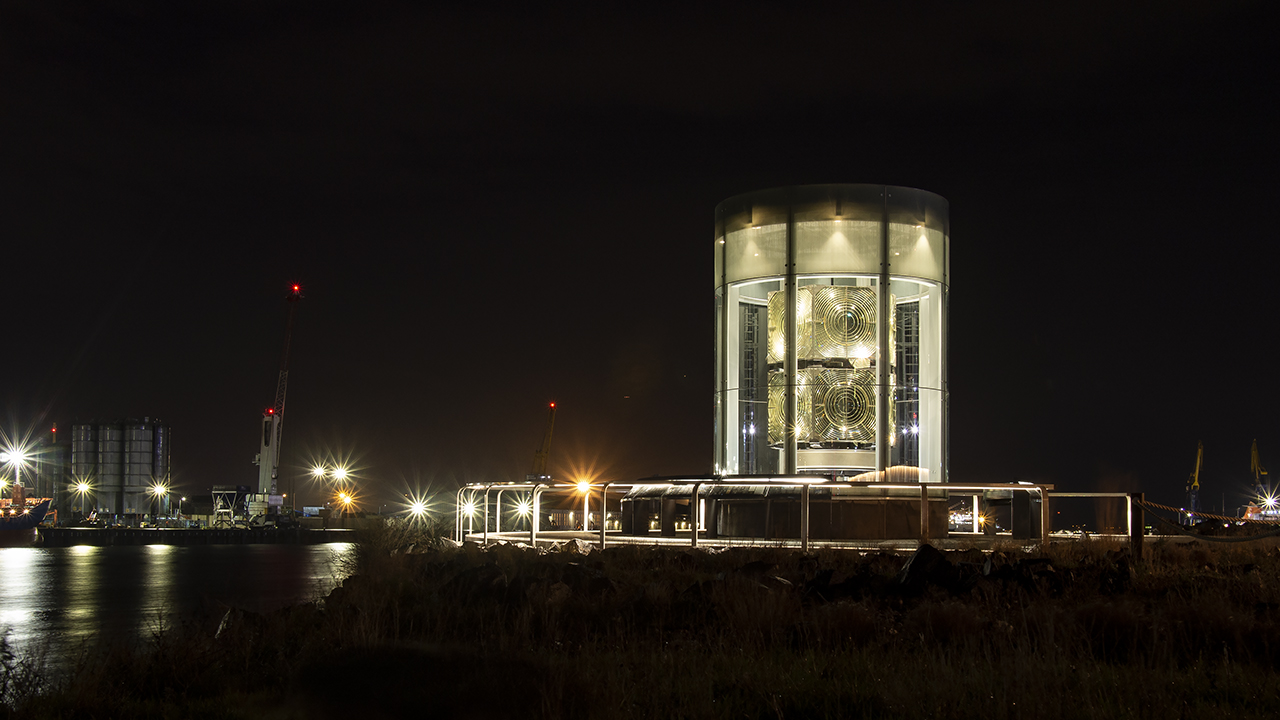
The Great Light — Barbier & Fenestre's 1887 hyper-radial lens was reconstructed by Chance Brothers into two biform branches, one still at Tory Island and one preserved as The Great Light in Belfast. This is the archive's flagship case — read it in full below.
Roches-Douvres — a metal tower first lit in 1869 was destroyed in 1944; the granite-and-concrete lighthouse completed after seven years of post-war work carries the same navigational identity forward.
Pencarrow to Baring Head — the station, its cast-iron tower, and its lens are kept as distinct identities while the governed navigational-function transfer is traced separately.
Zmiinyi — an 1843 lighthouse, modernised and then completely destroyed, whose warning survives as national memory made visible again by a 2026 postal image.
Women Who Kept the Light — a source-backed record of the annual contractors, gardiennes hors-classe, family successors, and long-serving keepers whose work outlasted official recognition of it.
New · Guided presentation
When the tower disappears, what survives?
Experience how one lost light reveals the archive's complete value: Story, inspectable evidence, identity across change, and an optional Living Evidence 3D chapter.
Follow a guided journey through lost lights, moved lenses, rebuilt towers, keeper lives, museum afterlives, and heritage that survived a change of form.
Start with one optic that became two heritage identities — the clearest object-split case in the archive.
In 1887 Barbier & Fenestre manufactured the hyper-radial lenses installed at Tory Island. Chance Brothers reconstructed the apparatus in the 1920s into two biform branches: one at Tory Island and one later installed at Mew Island and preserved as The Great Light in Belfast.
V. P. Korablev / Mayachnik archive · Project archive
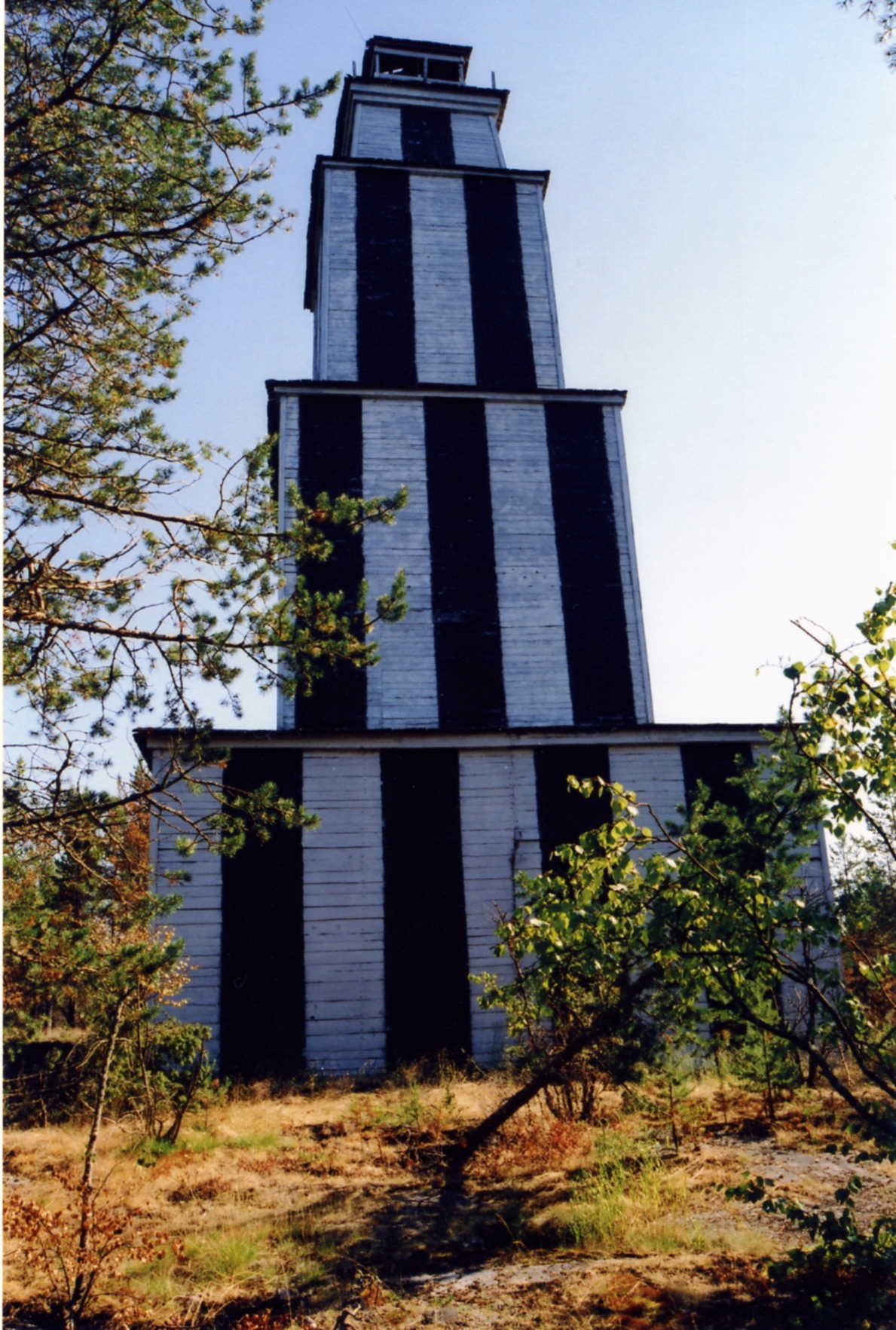
When the tower is gone, keeper and community memory can still carry the light.
A striped wood tower on Vasilisin Island in Lake Onega was destroyed by ground fire circa 2011–2014. Archive sources, models, and a family preservation project keep its memory alive.
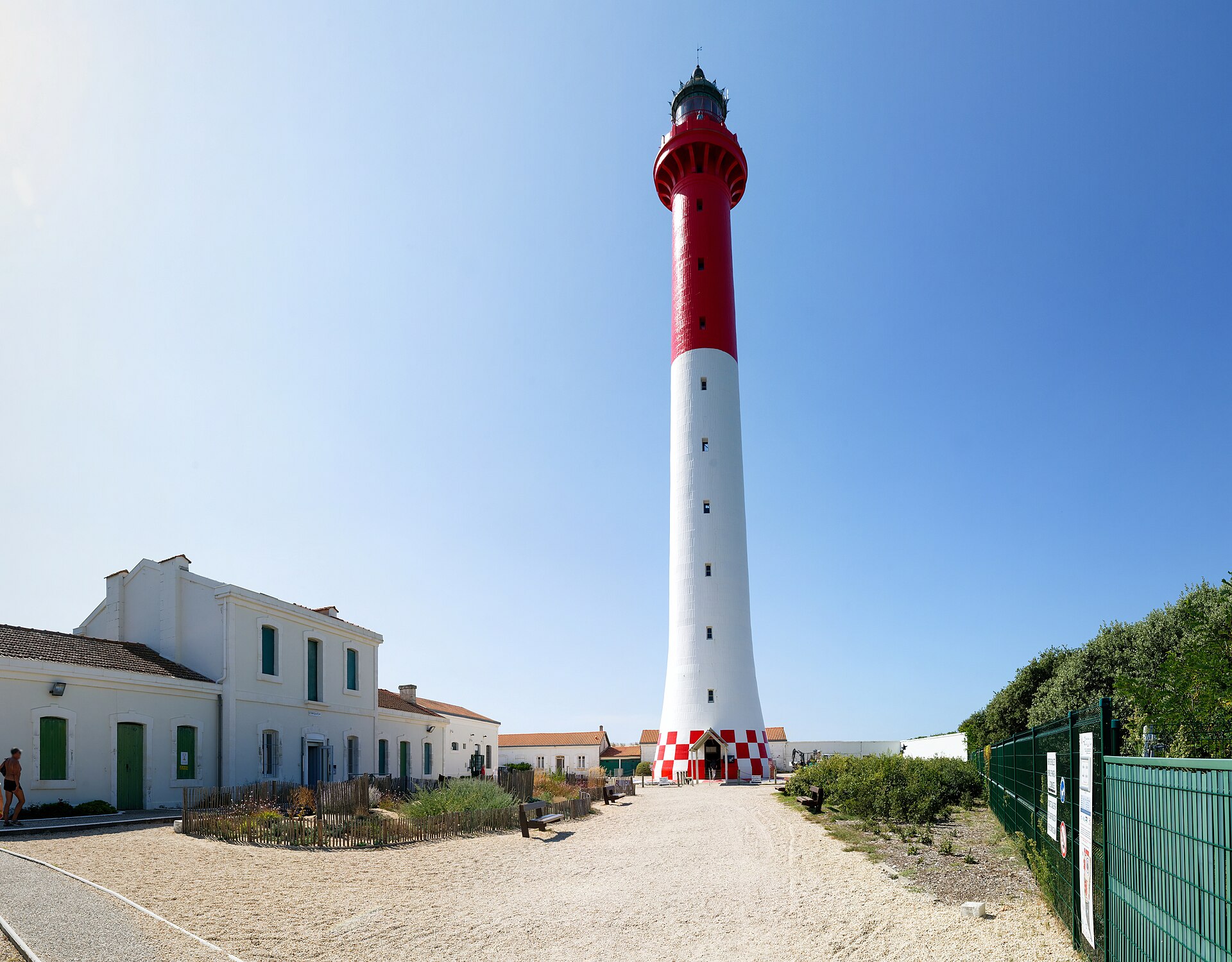
Phare de la Coubre 2018 01 by François de Dijon · CC BY-SA 4.0
How can one lighthouse identity continue when the coast consumes its towers?
Five tower generations on an eroding coast — the warning continues even when the structure does not.
Trace La Coubre's timber, masonry and concrete generations without turning uncertain historic positions into false map precision.
How we know
Sometimes heritage survives long after people stop recognizing it. LUX exists to make the evidence behind that survival readable.
A lighthouse may survive as a stone foundation. A lens in a museum. An abandoned keeper's house. A forgotten photograph. Or simply a name on an old chart.
LUX Light Archive helps reconnect these fragments through evidence, allowing people to recognize the identity of lighthouse heritage that is no longer obvious.
The archive builds trust depth over data volume: stable LUX identifiers, reviewed provenance, field-level claim evidence, state profiles, visual-provenance labels, and source links visible to readers. Every claim carries a confidence level and a review status, and every reviewed relationship names the limits of what it proves; unresolved or disputed identities are shown as open questions rather than hidden. It draws on the legacy Mayachnik collection, Lost Lights memory work, reviewed lighthouse and lightship records, and lens heritage data including the 2022 collaboration with Chance Brothers Heritage Trust. BBC News later covered Chance Glassworks and that volunteer lighthouse mapping project in The glass pioneers who helped illuminate the globe.
Mayachnik is the preserved historical archive — a frozen record of what the earlier project collected, knew, and published at that time. LUX Light Archive is the living evidence archive built on top of it. LUX143 is the wider research field into how identity persists through transformation, of which this archive is one renderer. Read the Mayachnik archive context.
Recover Heritage Identity
Reconnect archival records, surviving remains, photographs and historical evidence to identify lighthouse heritage that is no longer immediately recognizable.
Follow Change Across Heritage
Follow how a lighthouse station, physical structure, navigational function, optic and museum-held object remain connected without being treated as the same thing.
Follow Heritage Through Time
See the evidence behind every public connection, including the reviewed relationship and the limits of what it proves.
Trust depth
The archive is measured by governed, evidence-linked structures, not only by record count.